What We Do
Hand Therapy is a highly specialised area of Occupational Therapy and Physiotherapy. Through further education, clinical experience and independent study, hand therapists become proficient in the management of upper limb conditions resulting from injury, disease or deformity.
The professions of Occupational Therapy and Physiotherapy are registered professions under AHPRA (the Australian Health Practitioner Regulation Agency). This organisation regulates all health practitioners and is responsible for implementing the National Registration and Accreditation Scheme. As registered practitioners, Occupational Therapists and Physiotherapists must demonstrate minimum continuing professional development (CPD) standards.
Additionally, an Accredited Hand Therapist (AHT) is a credential that is awarded by the credentialing council of the peak body of hand therapists, the Australian Hand Therapy Association (AHTA). It requires meeting highly rigorous clinical, professional development, educational and mentoring requirements and standards. The AHTA is also Australia’s only professional association for practitioners of Hand Therapy.
Assessment and Treatment of the Upper Limb
Upper limb conditions and injuries can present for a number of reasons. These can be as a result of a sports injury, degeneration (wear and tear), overuse (such as tendon pathologies) as well as a host of other reasons. They can also occur from work injuries or road accidents. An effective approach to these upper limb problems will involve a comprehensive assessment followed by a customised plan for treatment.
Assessment
When attending your first appointment, the cause of your hand and upper limb problem and its impact on your daily life may not be known. A comprehensive assessment is therefore normally carried out to determine the cause for the problem (diagnosis) and the best way to manage it.
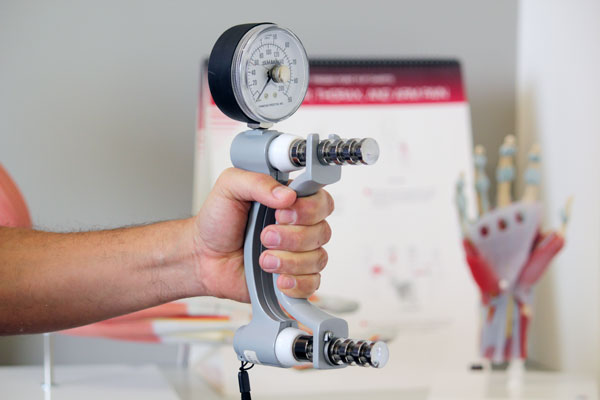
Assessment may involve a detailed evaluation of the structures of the hand, wrist and elbow and may involve testing muscles, tendons, ligaments and nerves as well as using a range of specific clinical tests or functional based tests. A number of different outcome measures are routinely used by the therapists at THULT to monitor and track your progress, whether it be movement, strength, sensation or function.
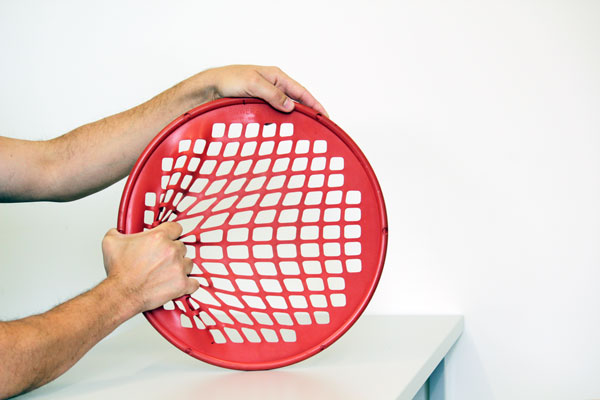
Treatment and Rehabilitation
Treatment is normally commenced once your problem is determined and the best approach for management of your problem is established. A range of treatment methods and exercises may be recommended as part of this. Treatment aims are individualised and tailored and involve a holistic approach considering your unique interaction within your own environment whether that be at home, work or whilst performing your leisure activities.
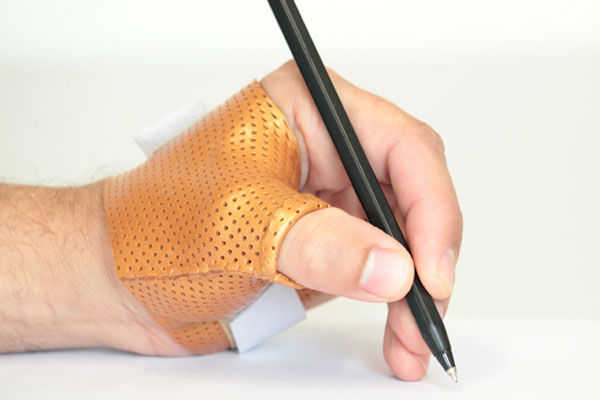
Splinting and Casting
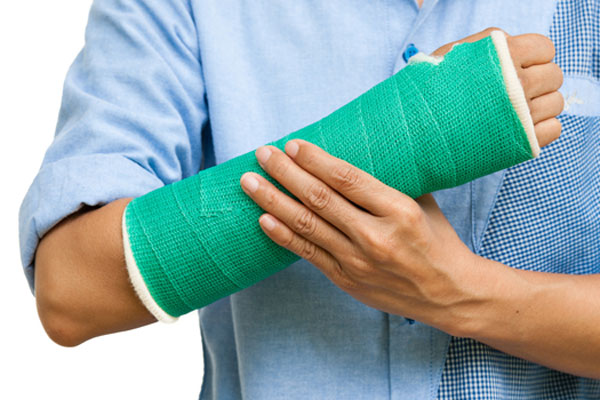
Customised thermoplastic splints (orthoses) as well as polyester casts (similar to fibreglass) may be fabricated at the time of your consultation if required or if requested by your referring doctor. Where appropriate, waterproof casts may also be applied to minimise the disruption to your daily life.
Splints (orthoses) can be used for a variety of reasons and purposes. This can be to protect, immobilise, stretch or assist in the function of the upper limb.
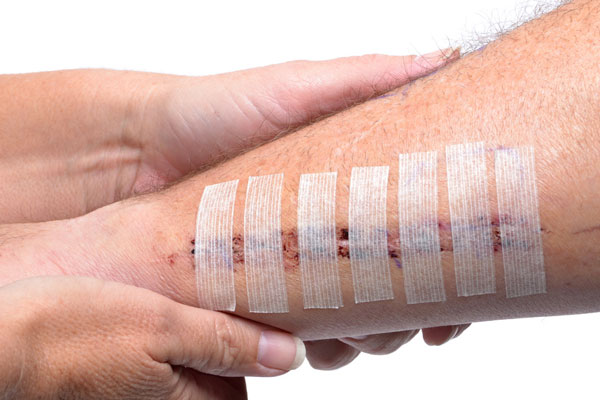
Wound and Scar Management
Following an injury or surgery, wounds are monitored and treated to allow for smooth and uncomplicated healing and to ensure that scarring is reduced. Stitches may be removed by your hand therapist once your wound has healed. The use of massage techniques, silicone gels and compression from specialised garments can also be recommended for overactive scars (such as hypertrophic and keloid scars) and desensitisation techniques for oversensitive (hypersensitive) scars may be used.
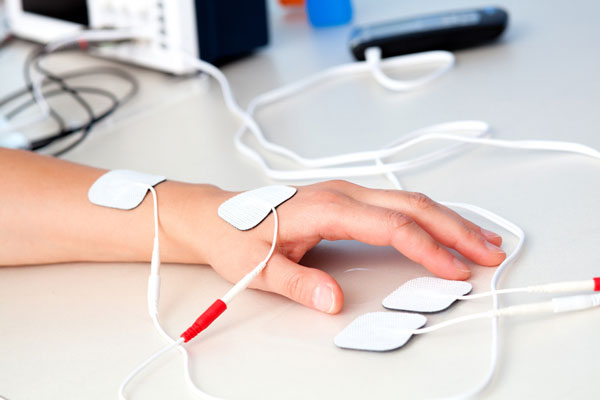
Thermal, Sound and Electrical Modalities
Treatments modalities may also include the application of heat (paraffin wax) and sound energy (therapeutic ultrasound) for a host of benefits. Additionally, the use of electrical modalities such as Transcutaneous Electrical Nerve Stimulation (TENS), Neuro-Muscular Electrical Stimulation (NMES) and Iontophoresis may also be recommended. Your therapist will suggest to you when these modalities would be beneficial.
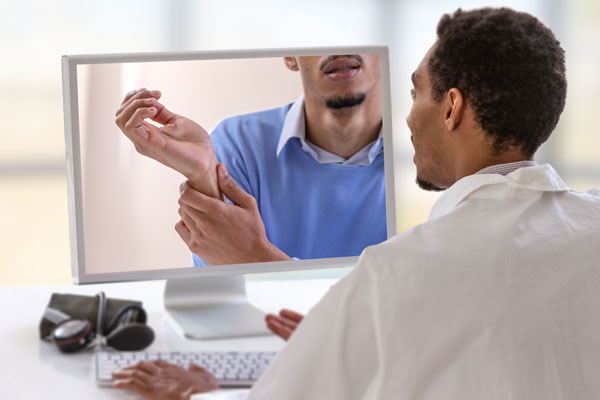
Telehealth
The use of telehealth, where clinically suitable, is recommended for many of our patients. While face to face consultations are required in many cases, such as when making a customised splint or for the evaluation of a condition or injury, there are many situations where telehealth can be used effectively and safely. This is where a consultation occurs via a regular phone call or video software on your phone or device. Please call our clinic for further information on how this works.